< img height="1" width="1" style="display:none;" alt="" src="https://px.ads.linkedin.com/collect/?pid=4167644&fmt=gif" />
QUÉ ESTÁS BUSCANDO?
Blog
How to select solar mounting structures for large-scale pv projects? Oct 21, 2026
Introduction

Solar mounting structures are essential components of large-scale photovoltaic (PV) projects. They support solar panels, maintain structural stability, and help ensure reliable operation under different environmental conditions.

Selecting the right solar mounting structure requires careful evaluation of site conditions, material properties, wind and snow loads, foundation design, installation efficiency, and project costs. This guide outlines the key factors to consider when choosing mounting systems for utility-scale solar installations.
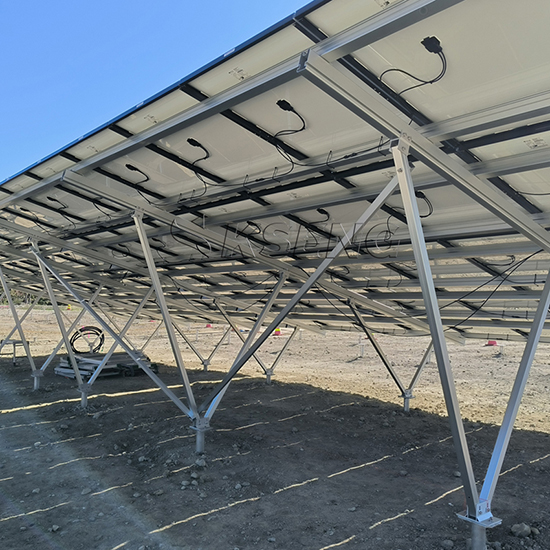
Fixed Tilt Solar Ground Mounting System for PV Projects
1. Evaluate Site Conditions

Site conditions directly influence the design and performance of solar mounting structures. Before selecting a system, assess the terrain, soil properties, local climate, and available installation area.

Important considerations include:

Soil bearing capacity and ground conditions

Local wind speeds and snow loads

Temperature variations and rainfall

Terrain slope and drainage

Corrosion risks in coastal or humid environments

A detailed site assessment helps determine the appropriate mounting configuration and foundation type.

2. Choose the Right Mounting Structure Type

Different PV projects require different mounting solutions. Common options include fixed-tilt ground mounting systems, solar tracking systems, and rooftop mounting structures.
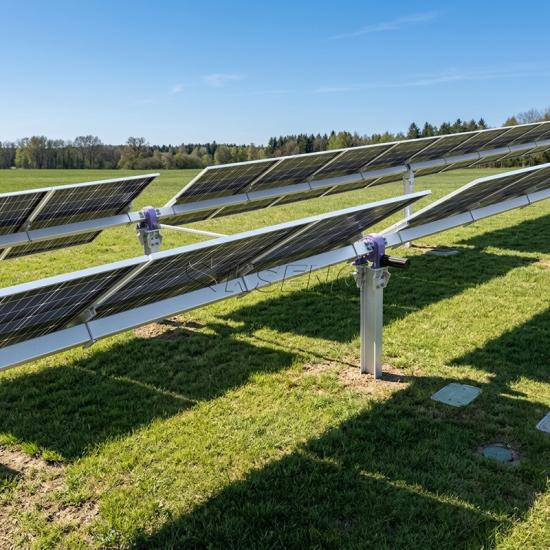
Ground Mounted Solar Tracking System for Utility Scale Solar Farms
Fixed-tilt ground mounting systems: Provide a stationary panel angle and a relatively straightforward structural configuration.

Solar tracking systems: Adjust panel orientation to follow the sun and can increase energy generation under suitable conditions.

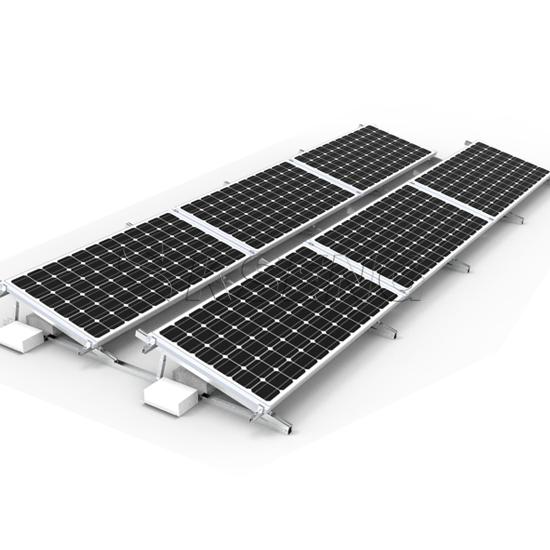
Rooftop mounting systems: Support PV modules on suitable existing roof structures.
Non-Penetrating Solar Mounting System for Flat Roof Applications
For large-scale ground-mounted projects, fixed-tilt and single-axis tracking systems are common options. The final choice should reflect site conditions, energy targets, project budget, and maintenance requirements.

3. Select Suitable Structural Materials

Material selection affects structural strength, corrosion resistance, transportation, and installation costs.

Common materials include aluminum alloy, carbon steel, and Zn-Al-Mg coated steel.

Aluminum is lightweight and naturally corrosion-resistant, making it suitable for selected mounting applications. Carbon steel offers high structural strength, while Zn-Al-Mg coated steel provides corrosion protection for outdoor mounting structures.

When comparing materials, consider mechanical properties, coating specifications, environmental exposure, and expected service life.

4. Check Wind and Snow Load Requirements

Large-scale solar mounting structures must withstand the environmental loads specified for the project location.

Wind can create uplift and lateral forces, while accumulated snow increases downward pressure on panels and supporting components. These loads affect rails, beams, connections, and foundations.

The mounting system should be engineered according to applicable building codes and project-specific structural calculations. Terrain exposure, panel tilt, array layout, and local weather conditions should all be considered.

5. Select an Appropriate Foundation

The foundation transfers structural loads to the ground and plays a critical role in system stability.

Common foundation options include ground screws, driven piles, and concrete foundations. The appropriate solution depends on soil conditions, groundwater levels, terrain, installation equipment, and structural requirements.

Soil investigations and foundation assessments can help identify potential challenges before construction begins. Choosing a suitable foundation may also improve installation efficiency and reduce unexpected site costs.

6. Optimize Solar Panel Orientation and Tilt Angle

Solar panel orientation and tilt angle affect energy generation and the overall design of solar mounting structures. For large-scale PV projects, the mounting system should support an appropriate panel arrangement based on the project's location and solar conditions.

Consider the local solar radiation, shading, land availability, and row spacing when planning the panel layout. Proper orientation and tilt can help improve energy production while making efficient use of the available installation area.

Selecting a suitable mounting structure ensures that the panels can be positioned securely and consistently according to the project design.


7. Evaluate Long-Term Durability and Maintenance

Solar mounting structures remain outdoors for many years, so long-term durability is an important selection criterion.

Corrosion-resistant materials, suitable protective coatings, reliable connections, and proper drainage can help reduce deterioration. In coastal areas or locations with high humidity, material selection should account for increased corrosion risks.

Routine inspections of fasteners, foundations, coatings, and structural components help identify potential problems and maintain safe operation.

8. Compare Total Project Costs

The lowest initial purchase price does not always represent the best long-term value.

Evaluate the total project cost, including structural materials, foundations, transportation, installation labor, and maintenance.

Comparing technical specifications alongside lifecycle costs helps identify a solution that meets project objectives and budget constraints.

9. Choose an Experienced Solar Mounting Manufacturer

A reliable manufacturer can help project teams select mounting structures that match site conditions and engineering requirements.

Evaluate the manufacturer's material options, structural design capabilities, manufacturing processes, and product quality standards. Confirm that the proposed system is suitable for the project's loads, foundations, and installation conditions.

Kseng offers a range of solar mounting systems designed for durability, structural stability, and reliable performance in outdoor environments.

Conclusion

Selecting the right solar mounting structures for large-scale PV projects involves evaluating site conditions, mounting types, material properties, wind and snow loads, foundation design, and solar panel layout. Durability, maintenance requirements, and overall project costs are also important factors.

By considering these aspects, project developers can select suitable solar mounting systems that support structural stability, efficient energy generation, and long-term outdoor performance. Kseng offers solar mounting systems designed to meet the structural and durability requirements of different photovoltaic applications.


FAQs

1. What is the difference between fixed-tilt and single-axis solar mounting systems?

Fixed-tilt systems keep solar panels at a set angle, while single-axis tracking systems adjust panel orientation to follow the sun. The suitable option depends on project conditions, energy targets, and budget.

2. What information is needed before selecting a solar mounting system?

Key information includes project location, site layout, soil conditions, panel specifications, local weather data, and expected installation capacity. These details help determine suitable structural configurations.

3. Why is corrosion protection important for solar mounting structures?

Corrosion protection helps preserve the strength and durability of metal components exposed to rain, humidity, and other environmental factors. Suitable materials and coatings can reduce deterioration and maintenance needs.

4. How does soil condition affect solar mounting structure selection?

Soil strength, composition, groundwater levels, and ground stability influence foundation selection and structural design. Soil investigations help identify suitable foundation solutions for ground-mounted PV projects.

5. How can the service life of a solar mounting system be improved?

Selecting suitable materials, ensuring proper installation, protecting against corrosion, and conducting regular inspections can help maintain structural integrity and extend service life.

Dejar un mensaje

Dejar un mensaje
Si está interesado en nuestros productos y desea conocer más detalles, deje un mensaje aquí, le responderemos tan pronto como podamos.

Hogar

Productos

whatsapp

contacto